What to Expect When You First Contact a Fertility Clinic
Making the decision to contact a fertility clinic can feel like a significant step, particularly when you don’t know what will happen once you do. Do you need a referral before you call? Should you have blood tests or an ultrasound first? Will you immediately be booked to see a fertility specialist? And does contacting a fertility clinic mean you have already made the decision to start IVF?
These are questions we hear often at No.1 Fertility. People can spend a lot of time researching IVF, egg freezing, fertility testing, embryos and success rates before they feel ready to make contact, yet sometimes the simplest question is the hardest to answer: how do I actually get started?
The answer is that you don’t need to arrive with a diagnosis, a treatment plan or even a clear idea of what you need. You may have been trying to conceive for some time, be thinking about freezing your eggs, have experienced miscarriage, be considering donor treatment, or have already had fertility treatment and want another opinion. Sometimes you simply reach the point where you would like to understand your fertility better.

Start with where you are
One of the misconceptions about contacting a fertility clinic is that the first step must be IVF. It isn’t. Before anyone can sensibly talk about treatment, it is important to understand your circumstances, what has brought you to the clinic and what you would like to find out.
At No.1 Fertility, you can start by speaking with our nursing team. That conversation helps us understand what has been happening, whether you have had previous investigations or treatment, and what might be useful from here. We can also explain whether you need a GP referral, what information to bring with you and whether any initial investigations may be helpful before you see your fertility specialist.
Fertility can quickly become a world of unfamiliar terminology and choices, but you shouldn’t have to work out the system before you enter it. Our role is to make the pathway clearer and help you understand what comes next.
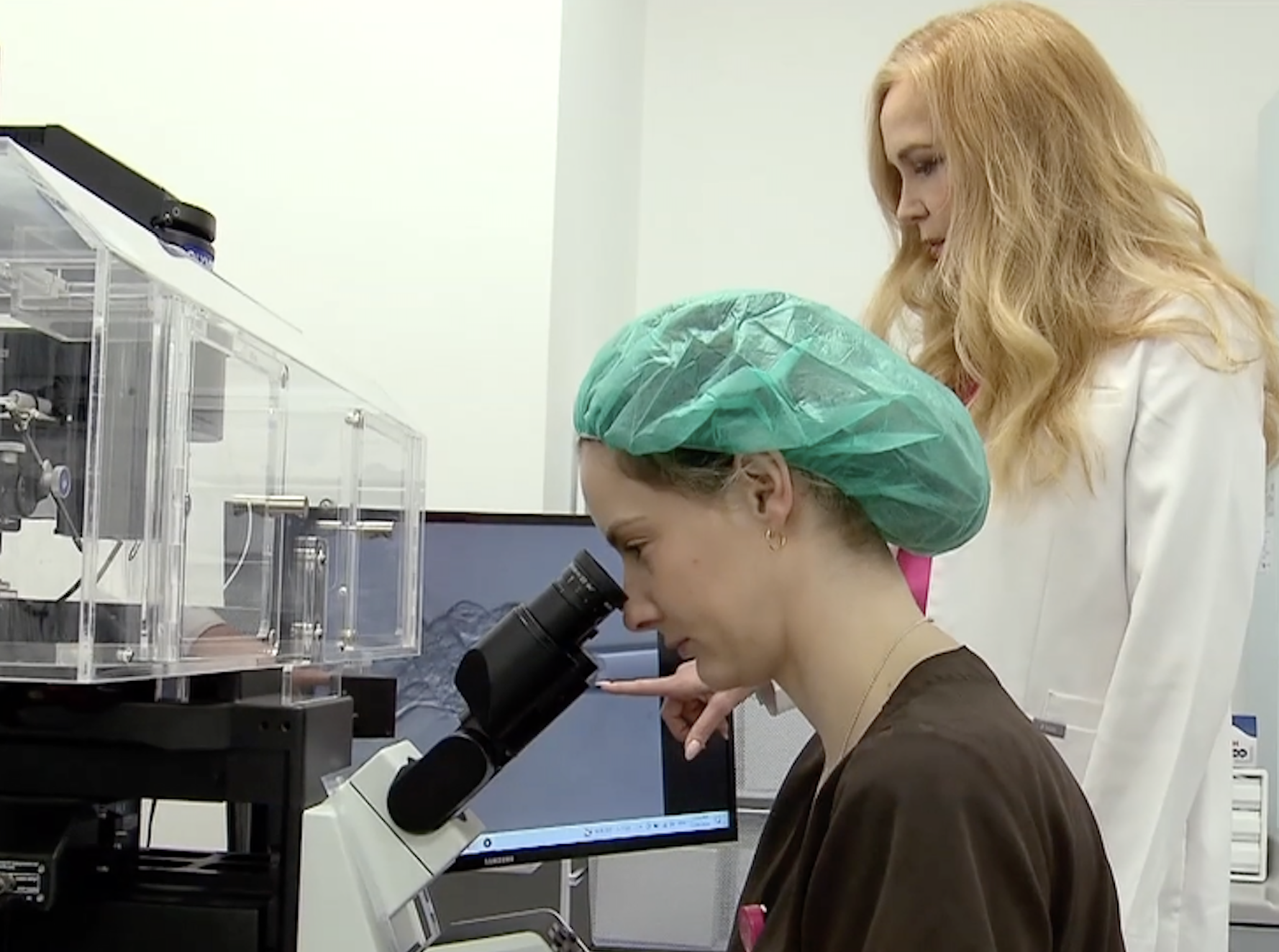
Understanding your fertility comes before deciding on treatment
A fertility assessment is about finding out what is happening rather than assuming what the treatment will be. Depending on your age, medical history and circumstances, investigations may include blood tests, ultrasound, semen analysis or other testing recommended by your doctor.
When you meet your fertility specialist, those results are considered alongside your medical and reproductive history, previous pregnancies or treatment, your age and what you are hoping to achieve. There may be a clear reason why pregnancy has not occurred, several factors may be involved, or sometimes investigations do not identify an obvious cause at all.
IVF may be one of the options discussed, but it should not be treated as the automatic destination simply because you have contacted a fertility clinic. Further investigation, treatment of an underlying issue or another fertility approach may be more appropriate.
That is an important part of how we think about fertility care at No.1: understand your fertility first, then decide what treatment makes sense.
Understanding costs before making decisions
The medical questions are only part of the decision. Fertility treatment also has a financial component, and we believe patients should have the opportunity to understand that early.
Our Accounts Team offers a Cost Chat where you can talk through fees, Medicare rebates and likely out-of-pocket costs relevant to your treatment. Rather than trying to interpret a list of fees yourself, you can speak with someone who can explain how the costs fit together and answer your questions.
Not everyone will need IVF or follow the same pathway, so costs can vary. Understanding the financial side early allows you to consider it alongside the medical recommendations and make decisions with a clearer picture of what is involved.
If IVF is recommended, what happens next?
If your fertility specialist recommends IVF and you decide to proceed, the No.1 team will take you through your treatment plan and explain what is being recommended and why.
Depending on your treatment, this may include medications, blood tests and ultrasound monitoring, egg collection, fertilisation and embryo development in the laboratory, followed by embryo transfer where appropriate. Your fertility specialist, nurses and embryology team are involved at different stages, so you will know who is looking after each part of your care and who you can speak with when questions arise.
IVF can look complicated from the outside, but you don’t need to understand everything at once. What matters is understanding what is happening at each stage and what comes next.
So, what should you do first?
Sometimes the most useful first step is simply getting enough information to decide whether you want to take another one. You may want to understand whether it is time to investigate your fertility, what egg freezing involves, what options are available after miscarriage, or whether previous unsuccessful treatment should be looked at differently. Asking those questions does not commit you to treatment.
We created our What to Expect pathway to make those first steps clearer. It explains how to get started with No.1 Fertility, who you can speak with, referrals and initial testing, meeting your fertility specialist, understanding costs and what happens if treatment is recommended.
You don’t need to diagnose yourself or decide whether you need IVF before you contact us. Tell us where you are, what has been happening and what you would like to understand, and we can help you work out what makes sense from there.