Age and IVF Success: What the Numbers Really Mean

It is a very reasonable question because age does matter in fertility. It influences the number of eggs available over time and, importantly, the likelihood that an egg will go on to create a chromosomally normal embryo. But age is not a complete answer on its own. Two women can be exactly the same age and still have very different fertility histories, ovarian reserves, responses to treatment and embryo development. That is why looking at an age bracket or a single success-rate percentage can only ever tell part of the story.
At No.1 Fertility, we have recently expanded our Success & Insights information to give patients a clearer understanding of what IVF success rates actually mean and how the different stages of treatment fit together. Rather than presenting a single headline number, we want to explain what sits behind those numbers and why the experience can be very different from patient to patient.
Why age matters, but does not tell us everything
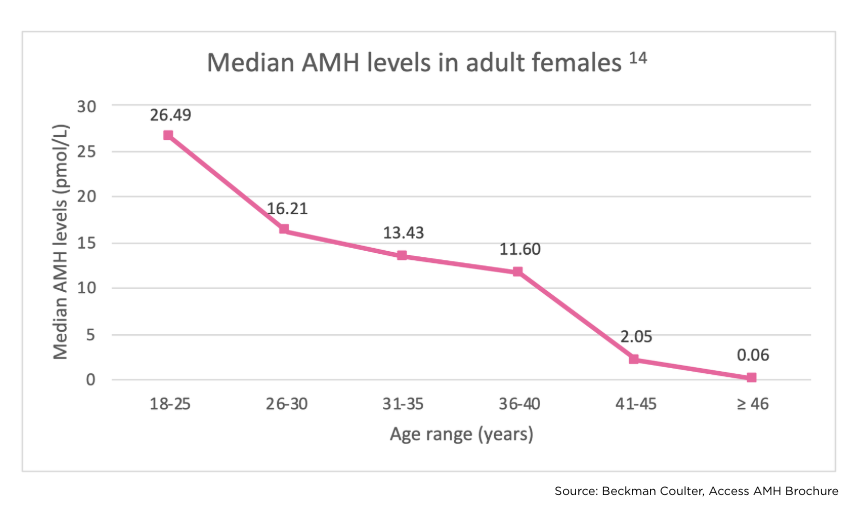
As women get older, the number of eggs available gradually declines. At the same time, the proportion of eggs capable of creating chromosomally normal embryos also changes. These two things are related, but they are not the same.
This is particularly important when patients are looking at AMH results. A higher AMH may suggest that there are more follicles available and that the ovaries may respond more strongly to stimulation, but it does not make the eggs biologically younger. In the same way, a younger woman with a lower AMH should not assume that the eggs she does have are necessarily of poor quality.
Age and ovarian reserve give us different pieces of information. We need to look at them together, along with medical history, previous pregnancies, sperm factors where relevant and any previous fertility treatment.
This is why we have created a dedicated Your Age and IVF Success section. It looks at the questions patients frequently ask about age, including what AMH can and cannot tell us, whether IVF can overcome the effects of age, why 35 is not a sudden biological cut-off and why being fit and healthy does not make eggs biologically younger.
What happens after egg collection matters just as much
Patients understandably focus on the number of eggs collected because it is the first tangible number that comes out of an IVF cycle. But egg collection is really the beginning of the next part of the story.
Over the following days, we see how many eggs are mature, how many fertilise normally and how many embryos continue developing towards the blastocyst stage. Some will progress and some will not. This is often described as the IVF funnel, because the numbers tend to reduce as treatment moves through each stage.
That reduction does not automatically mean something has gone wrong. It reflects the biology of human reproduction. Not every egg will fertilise, not every fertilised egg will continue developing and not every embryo will have the potential to create a healthy pregnancy.
Our new Embryo Development and IVF Success information explains what happens during those important days after egg collection and why the number of eggs collected cannot, by itself, predict the final outcome of a cycle.
Why the first embryo transfer is not always the full picture
Success rates can become confusing because they are often reported in different ways. A clinic may refer to pregnancy rates per transfer, live birth rates per transfer, outcomes per egg collection or cumulative outcomes across several embryo transfers.
Those measures are not interchangeable.
If an egg collection creates several embryos, the opportunity created by that collection may extend beyond the first transfer. A patient might not become pregnant from the first embryo, but may later achieve a pregnancy from another embryo created during the same egg collection. Looking only at the first transfer would therefore give a very different picture from looking at the overall outcome of the treatment.
This is why we have also created One Embryo Transfer vs Your Overall Chance of IVF Success, which explains cumulative IVF success and why patients should understand exactly what is being measured when they see a success-rate percentage.
Success rates need context
There is no percentage that can predict exactly what will happen to an individual patient. Statistics tell us what has happened across groups of patients, but the person sitting in front of a fertility specialist brings their own history, biology and treatment experience.
Before IVF begins, we work with age, ovarian reserve, medical and reproductive history and any known sperm factors. Once treatment begins, we learn more. We see how the ovaries respond, how many eggs are collected, how many are mature, how fertilisation progresses and how embryos develop. If treatment has been undertaken previously, that information can also help us understand what may be happening and whether anything should be approached differently.
For us, that is the more useful way to think about IVF success. A success rate should help a patient understand treatment, not simply persuade them with a number.
Explore our new Success & Insights information
We have brought this information together so patients can explore the different parts of IVF success in more detail. You can read about Your Age and IVF Success, follow what happens from egg collection through to embryo development, understand the difference between an individual embryo transfer and your broader cumulative chance of success, and review our published No.1 Fertility Success Rates with more context around what those results actually represent.
IVF success is not about finding the biggest percentage on a website. It is about understanding what the numbers mean, what they can tell us, what they cannot tell us and how they relate to your own circumstances.
That is the conversation we believe patients deserve to have.