Do You Really Need IVF? Why Choosing the Right Fertility Specialist Matters
When you’ve been trying to have a baby without success, it’s understandable to start thinking about IVF. For many people, it’s the treatment they know most about, whether through friends, family or what they’ve read online. But before deciding on the next step, it’s worth asking whether IVF is necessary, or whether there’s more to understand about why pregnancy isn’t happening.
Fertility can be complicated, and two people of the same age who have been trying to conceive for the same amount of time may have entirely different reasons for experiencing difficulties. Irregular ovulation, endometriosis, polyendocrine metabolic syndrome (PMOS), fallopian tube problems and sperm factors can all affect the likelihood of pregnancy. Sometimes several factors are involved, and occasionally, even after thorough investigations, there may be no clear explanation.
That’s why choosing a fertility specialist should be about more than qualifications or experience with IVF procedures. It’s about finding someone who takes the time to understand your medical history, investigate potential causes and explain the treatment options available to you.

Understanding the problem before recommending the treatment
IVF has helped many people achieve their dream of becoming parents, but it isn’t necessarily the first or only treatment option. Depending on individual circumstances, some patients may benefit from medication to assist ovulation, further investigations or other fertility treatments. For others, particularly where age or certain medical conditions are important considerations, IVF may be the most appropriate option from the outset.
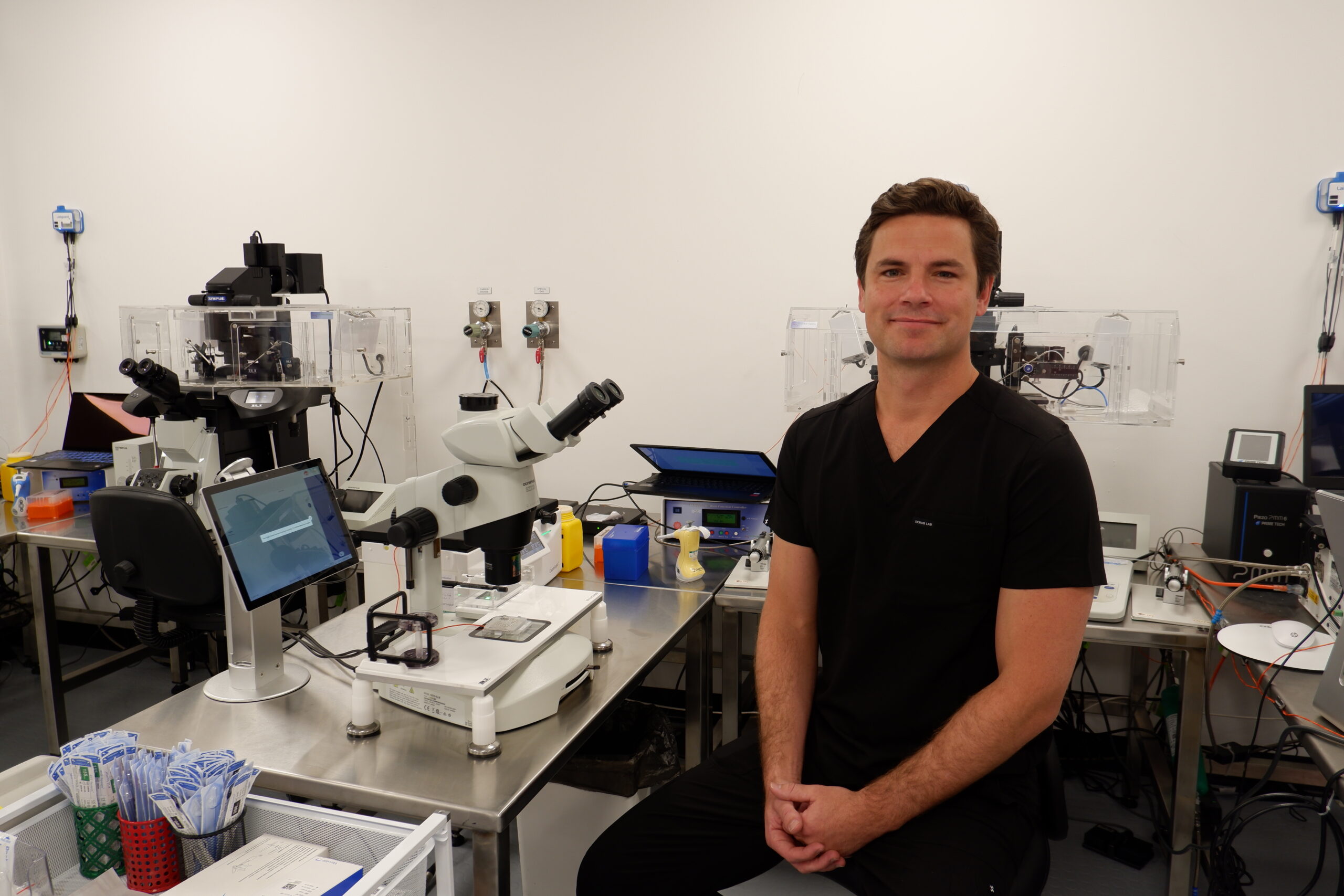
Dr Jonathan Nettle, who has been part of the No.1 Fertility team since 2019, brings experience across fertility medicine, gynaecology and obstetrics. This broader clinical background allows fertility concerns to be considered alongside a patient’s overall reproductive health, rather than treating an IVF cycle as an isolated procedure.
For someone with endometriosis, for example, understanding the extent of the condition, previous treatment and reproductive history may help determine the most appropriate approach. Similarly, patients with PMOS may need an assessment of their ovulation patterns and other factors before deciding on treatment. Previous pregnancies, miscarriages or unsuccessful fertility treatment can also provide important information when developing a plan.
The objective isn’t simply to move patients towards IVF, but to make informed decisions about what is most appropriate for their circumstances, recognising that fertility treatment can be both physically and emotionally demanding.
The importance of doctor-led fertility care
Modern fertility treatment relies on sophisticated laboratory science, carefully developed protocols and experienced clinical teams. These are all essential, but the decisions about how and when treatments are used should reflect each patient’s individual circumstances.
At No.1 Fertility, our doctor-led approach brings fertility specialists, embryologists, nurses and the broader clinical team together to provide coordinated care. Our doctors are involved in developing treatment plans, reviewing progress and considering whether changes may be appropriate as treatment proceeds.
For patients, it’s important to understand who is overseeing their treatment, how decisions are made and what happens if a cycle doesn’t go as expected. Having those conversations early can help patients feel more informed and involved, particularly when treatment involves multiple appointments, investigations and procedures.
A personalised approach doesn’t mean every patient requires a completely different treatment protocol. It means the reasons behind clinical decisions are considered carefully, explained clearly and reviewed in light of the patient’s response.
Looking beyond fertility treatment
One of the additional considerations when choosing a specialist is what happens after fertility treatment is successful. For some patients, continuity of care throughout pregnancy is important, particularly after a long or difficult journey to conceive.
As both a fertility specialist and obstetrician, Jonathan can offer patients the option of continuing under his care during pregnancy and through to birth, depending on their individual circumstances and availability. This means patients who value an ongoing relationship with a doctor familiar with their medical history and fertility treatment may have that opportunity, while others are equally free to choose their preferred pregnancy care provider.
It’s an aspect of fertility care that isn’t always considered at the beginning, when the immediate focus is understandably on achieving a pregnancy.
Making the right decision for you
Choosing a fertility specialist is an important decision, particularly when you’re navigating uncertainty about your reproductive health or considering treatment for the first time. Qualifications and experience matter, but so does being able to have an open conversation about your circumstances, understand the recommendations being made and feel comfortable asking questions.
At No.1 Fertility, we believe patients should have access to experienced doctors who consider the broader picture, explain their options and involve them in decisions about treatment. Jonathan‘s experience across fertility medicine, gynaecology and obstetrics reflects that approach and provides patients with an opportunity to discuss their fertility within the context of their overall reproductive health.
IVF may ultimately be the right choice, but understanding why it’s recommended is just as important as understanding how it works. Good fertility care should give patients the information and support they need to make those decisions with confidence.