Fertility Queen: Taking Fertility Conversations Beyond the Consulting Room
From egg freezing and IVF challenges to the fascinating science behind embryology, Dr Lynn Burmeister’s Fertility Queen podcast is opening up conversations about reproductive health, sharing knowledge and helping build greater fertility awareness in the community.
Fertility is something many people don’t give much thought to until it becomes relevant to their own lives. Whether it’s deciding when to start a family, considering egg freezing or navigating the challenges of IVF, there’s often a great deal to learn at a time when decisions can feel particularly important.
For more than 25 years, Dr Lynn Burmeister has worked with people facing these decisions, and one thing she knows is that fertility education shouldn’t begin and end in a doctor’s consulting room. There’s a much broader conversation to be had about reproductive health, the choices available and the realities of fertility treatment.
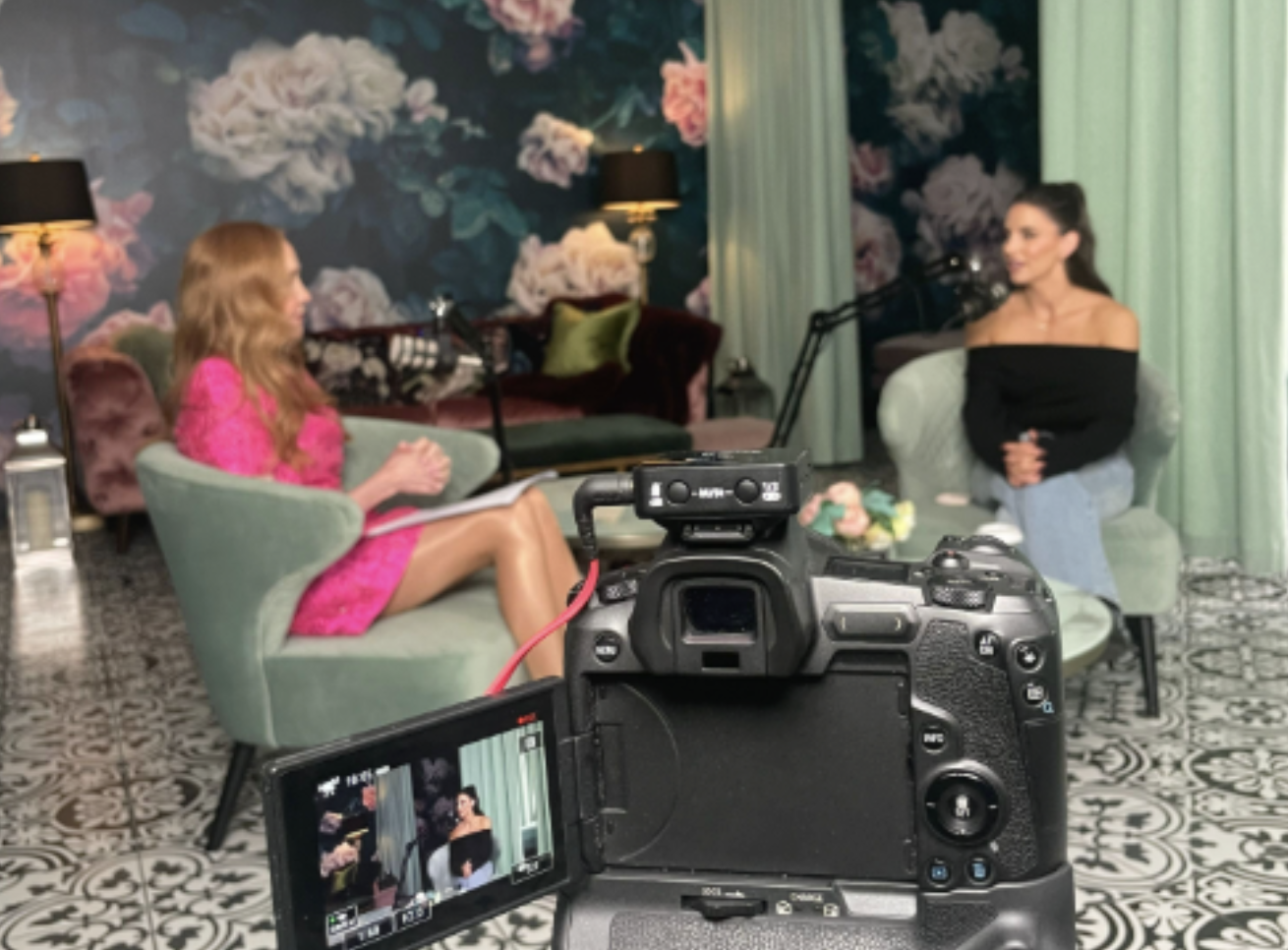
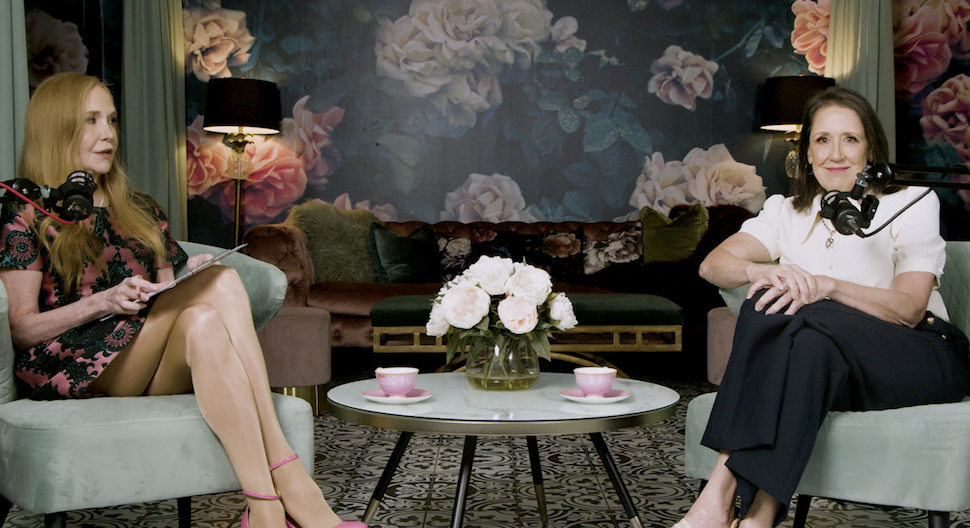
That’s part of the thinking behind Fertility Queen, Lynn’s podcast, where she brings together fertility specialists, scientists and guests willing to share their personal experiences. The discussions are informative, sometimes deeply personal and often explore questions people may have wondered about but never had the opportunity to ask.
The latest episodes cover everything from egg freezing and the disappointment of an unsuccessful IVF cycle to the remarkable science taking place inside an embryology laboratory. There’s also an upcoming conversation about surrogacy and the different ways people can become parents.
What makes these conversations particularly worthwhile is that they aren’t limited to people currently undergoing fertility treatment. They’re relevant to anyone interested in understanding their reproductive health, whether they’re planning a family, thinking about their future or simply wanting to learn more.
Egg Freezing and Making Informed Choices
One of Lynn’s recent guests is lifestyle content creator Rhi Dislenkovic, who speaks openly about the circumstances that led her to consider freezing her eggs.
It’s a subject that has become increasingly relevant as more women consider how their personal and professional lives might influence when they have children. Relationships, careers, financial security and simply feeling ready for parenthood can all affect the timing, but biology doesn’t necessarily follow the same timetable.
Egg freezing offers an option for some women who aren’t ready to start a family, although it’s important to understand what the treatment can and cannot achieve. It isn’t an insurance policy against infertility, and success depends on a number of factors, including the age at which eggs are frozen and the number of mature eggs stored.
Having someone like Rhi discuss her own considerations makes the subject more approachable, while Lynn brings the medical perspective needed to understand the realities of treatment. It’s a useful combination because fertility decisions are rarely based on medical facts alone. They’re also influenced by relationships, ambitions, circumstances and personal expectations.
The value of conversations like this is that they encourage women to become better informed before they find themselves having to make decisions under pressure.
Understanding What Happens When IVF Doesn’t Work
Another recent episode features No.1 Fertility specialist Dr Vicki Nott, who joins Lynn to discuss what patients might consider when an IVF cycle hasn’t been successful.
It’s an important subject because, despite the advances in fertility medicine, IVF doesn’t guarantee a pregnancy, and unsuccessful treatment can be enormously disappointing. Patients understandably want answers, particularly when they’ve invested so much emotionally, physically and financially in the process.
The discussion considers the importance of reviewing previous treatment and understanding what options may be available next. Every patient’s circumstances are different, and determining the most appropriate next steps requires careful consideration of their medical history, treatment response and individual fertility factors.
Beyond the medical discussion, the episode addresses an experience that deserves greater community understanding. People going through IVF often carry considerable emotional pressure, and those around them may not fully appreciate what treatment involves.
The more openly these experiences are discussed, the easier it becomes for families, friends and colleagues to understand the challenges that some people face when trying to have a baby.
The Extraordinary Work Behind the Laboratory Doors
For many patients, the embryology laboratory is one of the least visible parts of IVF, despite being central to the treatment process.
In another episode, No.1 Fertility embryologist Eilish Quin joins Lynn to explain what happens behind the scenes, offering listeners an insight into the people, science and technology involved in helping create embryos.
Embryologists work in a highly specialised environment, handling eggs and sperm, performing fertilisation procedures, monitoring embryo development and managing the delicate processes involved in embryo freezing and storage. Their work requires enormous precision, technical expertise and attention to detail.
Most patients will never see much of what happens inside the laboratory, so hearing directly from someone like Eilish provides a different perspective on IVF and a greater understanding of the team involved in their care.
It’s also an opportunity to recognise the extraordinary work of the scientists who contribute so much to fertility treatment but are often less visible than the doctors and nurses.
At No.1 Fertility, we have always believed that patients benefit from understanding the people and processes behind their treatment. The more familiar they are with what happens at each stage, the more confident they can feel asking questions and taking part in decisions about their care.
Different Paths to Parenthood
Coming up on Fertility Queen is a conversation with Shawn Resnik, who shares his experience navigating surrogacy as a single man.
His story provides an opportunity to explore a side of reproductive medicine that many people know relatively little about. Surrogacy involves medical, legal and personal considerations that can be complex, and the arrangements available depend on individual circumstances and the laws that apply.
For Lynn, these conversations are part of recognising that families are created in different ways and that the desire to become a parent isn’t confined to any one family structure.
Hearing directly from people who have navigated different pathways to parenthood can help broaden community understanding and challenge assumptions about who seeks fertility treatment and why.
Why Community Awareness Matters
One of the reasons we’re sharing these latest episodes is that fertility education has a role well beyond helping someone understand a particular medical procedure.
There are still many misconceptions about fertility, particularly around reproductive age, the likelihood of becoming pregnant, what IVF can achieve and the options available to people who need assistance.
And while information is now readily accessible online, it isn’t always accurate or presented with enough context. Personal experiences shared on social media can be valuable, but what works for one person may be quite different for another.
A podcast allows these subjects to be explored in greater depth, with the benefit of experienced medical professionals explaining the science alongside people describing their own experiences. It’s a format that feels approachable without losing the importance of providing balanced, reliable information.
It also reaches people who might never think to visit a fertility website or attend an information session. Someone listening on the way to work may learn something about egg freezing that changes the questions they ask their doctor. Another person may gain a better understanding of what a friend or family member is experiencing during IVF.
These may seem like small things, but they’re part of improving fertility awareness across the community.
For people experiencing infertility, greater understanding can also make an enormous difference. Fertility treatment can be a private and sometimes isolating experience, particularly when friends and family don’t know what to say or how to offer support. Making these conversations more familiar helps reduce some of that uncertainty.
Sharing What We Know
Education has always been important to Lynn and the team at No.1 Fertility. We want people to have access to clear information, to feel comfortable asking questions and to understand their options without feeling pressured towards any particular treatment.
Through Fertility Queen, Lynn is able to extend those conversations beyond No.1 Fertility and introduce listeners to people they might not otherwise have the opportunity to hear from.
The mix of guests is what makes the podcast interesting. A personal experience with egg freezing is quite different from a specialist discussing unsuccessful IVF treatment, and both offer something different again from an embryologist explaining the work taking place in the laboratory. Together, they provide a broader picture of fertility and the many people involved.
There’s plenty more to discuss, and as reproductive medicine continues to evolve, so too will the questions people have about their fertility and the choices available to them.
If you haven’t listened to Fertility Queen with Dr Lynn Burmeister, the latest episodes are a good place to start. Whether you’re considering fertility treatment, planning for the future or simply curious about the science and the stories behind it, we hope you’ll find something interesting, informative and worth sharing.
Watch Fertility Queen on YouTube or listen on Spotify, and join the conversation.