IVF Costs Explained: 10 Questions Every IVF Patient Should Ask Before Starting Treatment

When I founded No.1 Fertility, I wanted to create a clinic where high-quality fertility care wasn’t reserved for those who could afford the most expensive treatment. Every patient deserves access to exceptional medical care, transparency about costs and the confidence to make informed decisions throughout their fertility journey.”
Dr Burmeister, Founder & Medical Director
Founder & Medical Director, No.1 Fertility
Choosing a fertility clinic is one of the most important decisions you’ll make, and understanding the cost of treatment is a significant part of that decision.
For many people considering IVF, one of the very first questions is:
“How much is this going to cost?”
It’s a fair question, and one that deserves a clear answer.
At No.1 Fertility, we believe you should understand the expected cost of your treatment before you begin. That means knowing what is included, understanding what Medicare may cover, identifying any costs that sit outside your IVF cycle fee and having the opportunity to ask questions before making any decisions.
We also believe financial transparency is part of excellent patient care. The more you understand before treatment starts, the more confident you’ll feel throughout your fertility journey.
Talk to Rachel and the Accounts Team
Rachel is our Accounts Manager and leads the dedicated Accounts Team at No.1 Fertility.
Every day, Rachel and her team help patients understand the financial side of fertility treatment by explaining treatment estimates, Medicare rebates, payment options and expected out-of-pocket costs.
If Rachel is assisting another patient, one of her experienced colleagues will provide the same level of support and guidance.
No call centres. No automated runaround. Just real people having real conversations to help you understand your treatment costs before you begin.
We also offer a Complimentary Accounts Chat, where one of our Accounts Team members will personally explain your treatment estimate and answer your questions before treatment starts.
Current IVF Fees
The fees below are current at the time of publication and may change over time. Every patient’s treatment is different, and your personalised treatment estimate will be discussed before treatment begins.
1. What will my IVF cycle cost after Medicare rebates?
For patients eligible for Medicare, the estimated out-of-pocket cost for a stimulated IVF cycle with a fresh embryo transfer is:
Approximately $4,733.50
This estimate is based on a standard treatment pathway and may vary depending on your individual treatment plan.
Before treatment begins, we’ll provide a personalised estimate outlining your expected fees, Medicare rebates and anticipated out-of-pocket costs.
Our philosophy is simple:
These conversations should happen before treatment starts—not afterwards.
2. What is included in the IVF cycle fee?
Your IVF cycle fee includes:
- Care from our clinical and non-clinical teams throughout your treatment.
- Required pre-treatment counselling (where applicable) and supportive counselling during your cycle.
- In-house blood tests.
- Ultrasound monitoring.
- Laboratory fertilisation procedures.
- Embryo culture and laboratory monitoring.
- Regular embryology updates.
- Use of EmbryoScope® technology.
- Electronic Identity Tracking.
- EmbryoGlue®.
- Egg collection procedure.
- Fresh embryo transfer.
- Cryopreservation (freezing) of suitable embryos following your fresh transfer.
One of the most important things patients can do when comparing clinics is compare what is actually included in the quoted fee.
Our goal is to ensure you understand exactly what you’re paying for before treatment begins.
3. What additional costs should I expect?
Depending on your individual treatment plan, additional costs may include:
- Fertility medications.
- Hospital admission fees.
- Anaesthetist fees.
- Embryo or egg storage after the complimentary storage period.
- Optional procedures or specialised testing recommended by your fertility specialist.
If any additional costs are anticipated, our Accounts Team will explain them before treatment begins so you can make informed decisions with confidence.
4. Will my fertility medications be covered, and how much should I budget?
Fertility medications are purchased directly through the pharmacy and are not included in your IVF cycle fee.
Medication costs vary according to your prescribed treatment protocol but typically range between $200 and $800 per cycle.
If you’re eligible for Pharmaceutical Benefits Scheme (PBS) subsidies, this may reduce your medication costs.
Our partnered Pharmacy Slade can also provide an estimate based on your personalised treatment plan.
5. What will it cost if I have embryos frozen?
If you have embryos suitable for freezing:
- Cryopreservation (freezing): $500 (regardless of the number of embryos frozen).
- Embryo storage: Complimentary for the first six months.
- Ongoing storage: $250 every six months thereafter.
Many patients also ask where their embryos are stored and how they are protected.
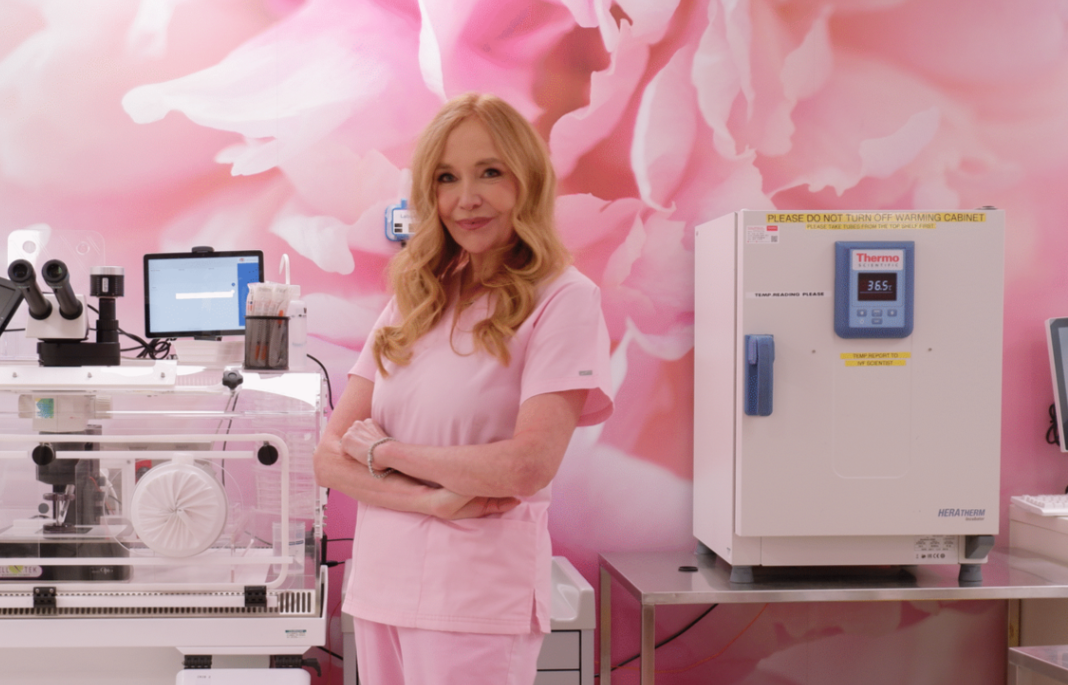
That’s one of the reasons we host our No.1 Fertility Clinic Tours, giving patients the opportunity to see our embryology laboratory, learn about our cryostorage systems and ask questions directly of our scientific team.
6. How much does a Frozen Embryo Transfer (FET) cost?
For patients eligible for Medicare, the estimated out-of-pocket cost for a Frozen Embryo Transfer cycle is:
Approximately $1,806.55
Additional medication costs may apply depending on your treatment plan.
Before treatment begins, we’ll explain your expected costs, Medicare rebates and any medications that may be required so there are no surprises.
7. If my first IVF cycle isn’t successful, what happens next?
Every fertility journey is different.
If you have frozen embryos available, your fertility specialist may recommend a Frozen Embryo Transfer.
If another stimulated IVF cycle is recommended within the same calendar year, the estimated out-of-pocket cost is approximately $4,011.36, subject to your individual treatment plan and Medicare eligibility.
Before proceeding with any further treatment, we’ll discuss your recommended pathway and provide an updated personalised cost estimate.
8. What will my private health insurance cover?
Private health insurance is not required to receive Medicare rebates for IVF treatment.
Depending on your level of hospital cover, your health fund may contribute towards:
- Hospital admission fees.
- Anaesthetist fees.
- Some medications.
Because every policy is different, we recommend contacting your health fund before treatment to confirm your level of cover.
9. Can someone explain my expected costs from beginning to end before I start treatment?
Absolutely.
Once your fertility specialist has developed your treatment plan, our Accounts Team can arrange a Complimentary Accounts Chat to discuss:
- Your expected out-of-pocket costs.
- Medicare rebates.
- Likely additional expenses.
- Payment timing.
- Any circumstances where your costs may change if your treatment plan changes.
If your treatment changes before or during your cycle, we’ll explain any revised costs before proceeding wherever possible.
We believe patients should understand their financial commitment before treatment—not discover it along the way.
10. Do you offer payment plans?
Yes.
We partner with Zip Money, allowing eligible patients to spread the cost of treatment into instalments, with up to 12 months interest-free (subject to Zip Money’s lending criteria, approval and terms).
Our Accounts Team can discuss available payment options and help determine whether they’re suitable for your circumstances.
Why Affordable Doesn’t Mean Compromising on Quality
Patients often ask how we’re able to provide affordable fertility treatment while continuing to invest in our clinic.
The answer is simple.
We’re a doctor-led fertility clinic that continually reviews how we operate so we can invest where it matters most—our people, our laboratories, our technology and the care we provide.
Affordability isn’t about cutting corners. It’s about making thoughtful operational decisions that allow more people to access high-quality fertility care.
We’ve invested significantly in our embryology laboratories, specialised equipment, advanced monitoring systems and cryostorage facilities because we believe these investments directly support patient care.
Rather than simply telling patients about that investment, we invite them to see it for themselves through our No.1 Fertility Clinic Tours, where they’ll meet members of our scientific and nursing teams and gain a better understanding of the care that happens behind the scenes.
For us, transparency isn’t just about explaining costs.
It’s about helping patients understand what they’re paying for, why it matters and who they’re trusting with their care.