IVF Has Changed — And You May Be Surprised By How Much
But perhaps one of the biggest changes is the way we think about the person going through IVF.
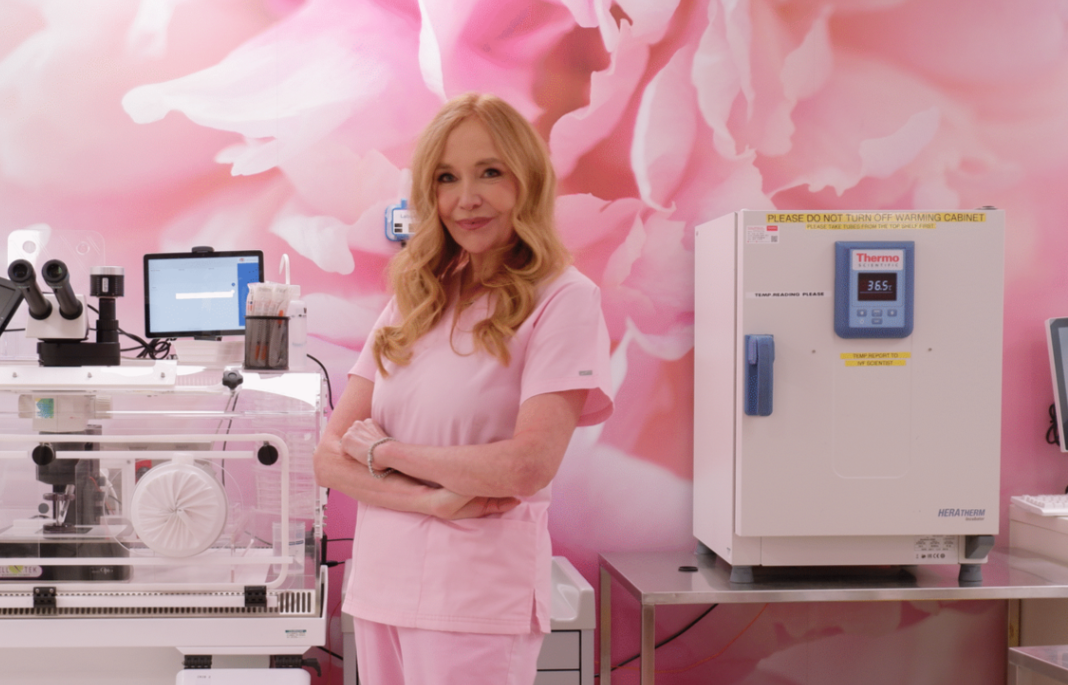
At No.1 Fertility, treatment starts with understanding the individual in front of us. Age is important, but so too are fertility history, ovarian reserve where relevant, sperm health, previous pregnancies or treatments, medical history and plans for the future. All of these can contribute to a more complete picture and help guide the conversations and decisions that follow.
This does not make IVF predictable, and it is important that we never pretend it is. Fertility treatment will always involve some uncertainty. What we can do is make sure patients understand their situation, the options available to them and why a particular approach may be recommended.
The First Step Is Understanding
There can still be a perception that making an appointment with a fertility specialist means you are committing to IVF. It doesn’t.
For many people, that first appointment is simply an opportunity to understand more. IVF may be the right next step, but further investigation may be useful first, another treatment may be appropriate, or the most valuable outcome of the appointment may simply be having a clearer picture of your fertility and your options.
The reasons people seek fertility advice have broadened too. Some come to us after trying to conceive for some time, while others want to understand why pregnancy has not happened as expected. Some are considering egg freezing because they are not ready to start a family, while others are thinking about fertility because of their age, circumstances or a medical diagnosis.
There is no single reason for starting the conversation, just as there is no single pathway that is right for everyone.
We Know More, But Fertility Is Still Personal
Our understanding of reproductive medicine has continued to develop, and fertility specialists today have more information to consider when thinking about an individual’s treatment.
Age remains an important part of that picture, but it is not the only part. Ovarian reserve, sperm health, medical and reproductive history, previous treatment and embryo development can all provide useful information along the way. Treatment decisions can then be considered in the context of the person rather than relying on one number or one statistic.
This is particularly important when looking at IVF success rates. Statistics are useful and patients should have access to them, but an average describes a group of people. It cannot tell you exactly what will happen to you.
Understanding that difference can make fertility information much more useful and, we think, much less overwhelming.

Patients Have Changed Too
Some Things Should Never Change