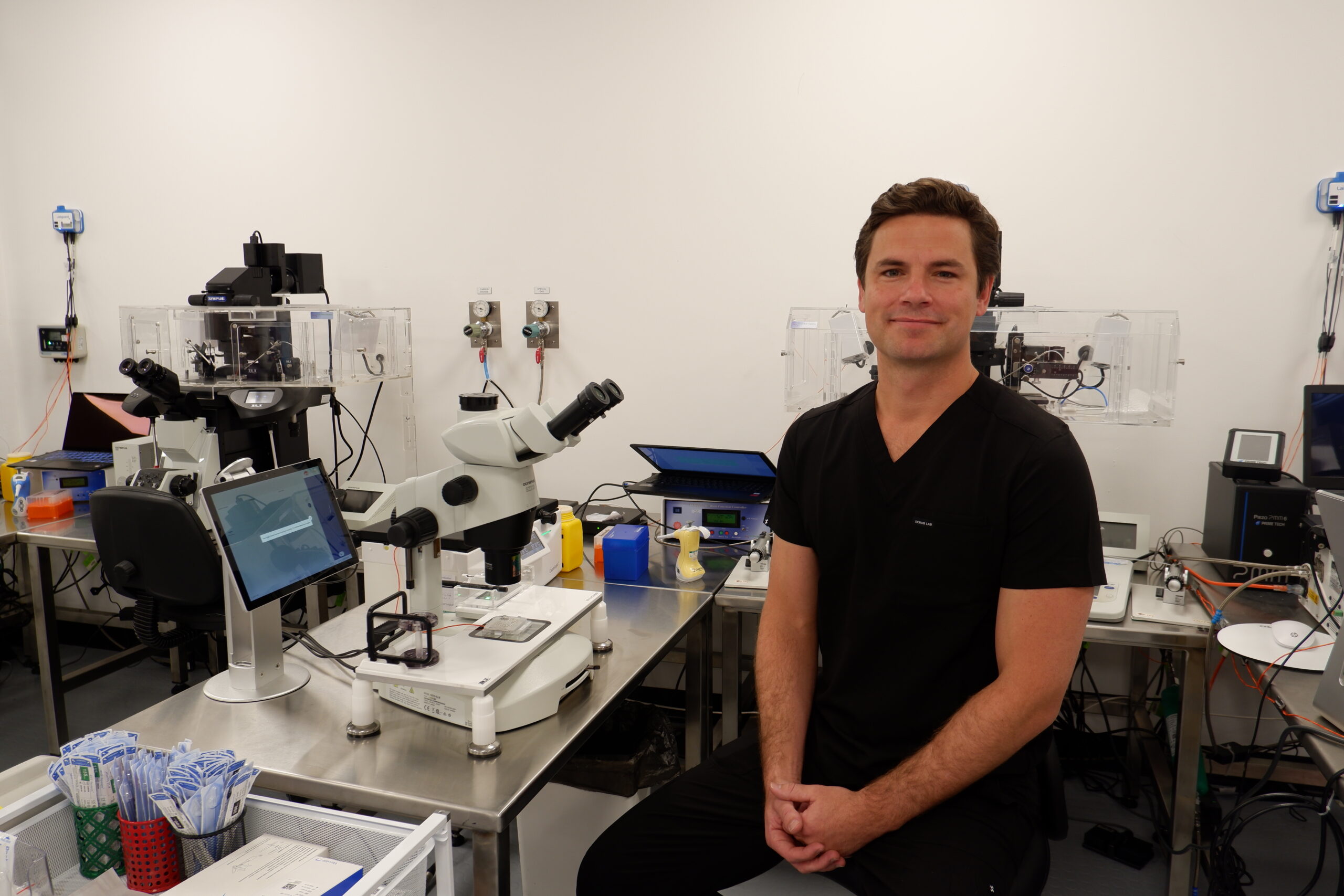
Will Artificial Intelligence Choose Your Embryo? Here's What Really Happens Inside the IVF Laboratory
If you’ve been researching IVF, you’ve probably noticed that artificial intelligence, or AI, is becoming one of the most talked-about topics in fertility treatment. As more clinics begin introducing AI into their laboratories, it’s natural to wonder what that really means and whether a computer is now deciding which embryo has the best chance of becoming your baby.
The answer is no.
At No.1 Fertility, artificial intelligence is used to support our embryologists, not replace them. Every embryo is still cared for and assessed by highly trained scientists whose expertise has been developed over many years. AI provides another source of information, but every recommendation is made by experienced people who understand that behind every embryo is a person or couple hoping to build their family.
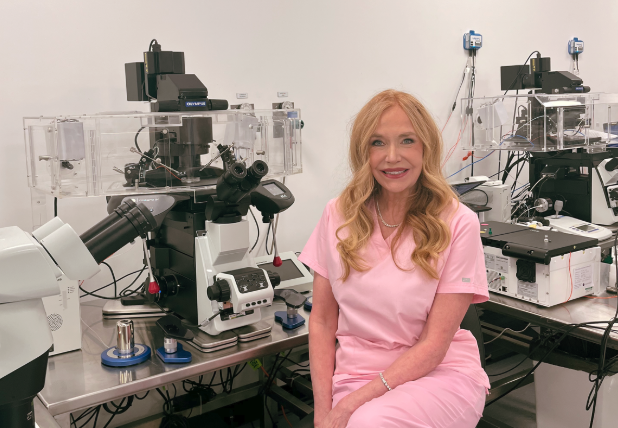
One of the questions we’re increasingly asked is whether artificial intelligence will replace embryologists. The answer is no. AI gives our laboratory team another source of information, but every embryo is still assessed by experienced scientists who understand that behind every embryo is a person or couple hoping to build their family. Technology is incredibly valuable, but it will never replace clinical expertise, careful judgement and genuinely personalised care.”
— Dr Lynn Burmeister, Medical Director, No.1 Fertility
More Than Just a Laboratory
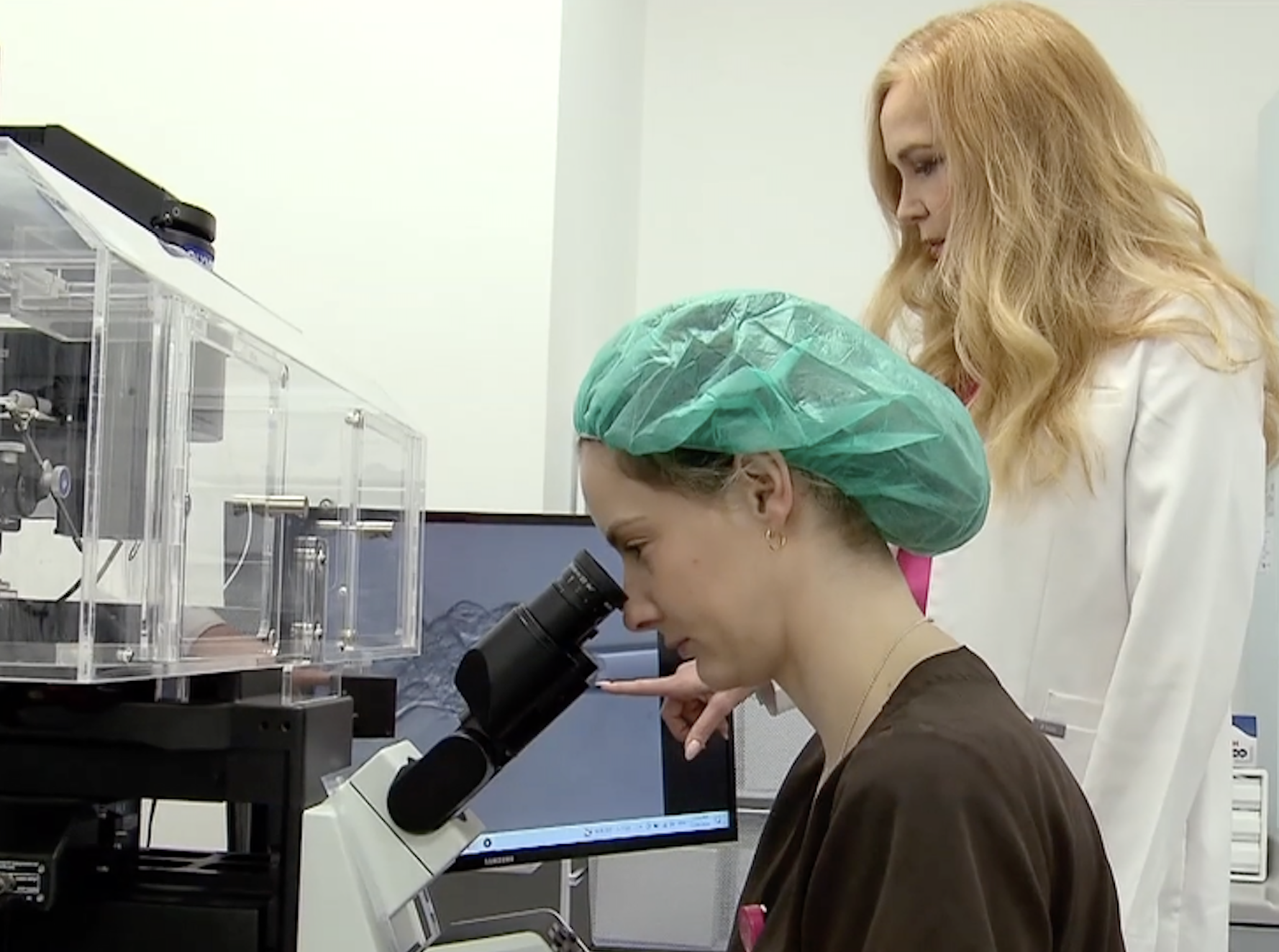
Most patients never see the inside of an IVF laboratory, yet it is where some of the most important parts of treatment take place. From the moment eggs and sperm are brought together, our embryologists carefully monitor and protect the earliest stages of embryo development. Every observation, every assessment and every decision is made with one goal in mind – giving each embryo the best possible opportunity to develop.
Embryology is both a science and an art. It combines years of specialist training with meticulous laboratory practice, experience and an understanding that every embryo develops differently. While technology continues to advance, it is the knowledge of the embryologist that brings all of this information together.
Every Embryo Has Its Own Journey
After fertilisation, an embryo begins an extraordinary process of growth. Over the next five to six days it divides into more cells, changes shape and passes through several important developmental milestones before reaching the blastocyst stage.
Some embryos develop exactly as expected. Others progress more slowly or divide in different ways. These differences are often subtle and can only be appreciated by following an embryo’s development over time rather than looking at a single moment under the microscope.
That is one of the reasons modern IVF laboratories have embraced time-lapse technology.
Why We Use EmbryoScope®
Every embryo created at No.1 Fertility is cultured in an EmbryoScope® time-lapse incubator.
Unlike traditional incubators, EmbryoScope allows embryos to remain in a stable, carefully controlled environment while images are captured throughout their development. This means our embryologists can review the entire developmental journey without repeatedly removing embryos from the incubator.
Instead of relying on a handful of observations during the day, our embryologists can see how an embryo has developed from fertilisation through to the blastocyst stage, allowing them to build a much more complete picture of its development.
Where Artificial Intelligence Fits In
As EmbryoScope records embryo development, it generates a detailed sequence of images. Artificial intelligence can analyse this information and identify patterns that have been associated with embryo implantation.
At No.1 Fertility, we use iDA (an AI tool that works with the EmbryoScope system) as an additional assessment tool alongside the visual gradings and development assessments performed by our embryologists. It provides another layer of information that supports embryo assessment, but it does not make decisions independently or replace the judgement of our scientific team.
Every embryo is still reviewed by experienced embryologists who consider its development, appearance and the individual clinical circumstances of each patient before working closely with your fertility specialist to determine the most appropriate treatment plan.
Looking Beyond Artificial Intelligence
Although AI receives a great deal of attention, it is only one of several advanced technologies used within our laboratory.
Our embryologists also use time-lapse embryo monitoring, spindle visualisation during ICSI to help protect important structures within the egg, advanced sperm selection techniques in appropriate patients and embryo biopsy for those undergoing preimplantation genetic testing.
Each technology has a different role, but they all have the same purpose – providing our embryologists with the best possible information while creating the optimal environment for eggs, sperm and embryos.
No single technology determines the success of IVF. It is the combination of experienced clinicians, highly skilled embryologists and carefully selected laboratory innovations that helps us deliver the highest standard of care.
Does Artificial Intelligence Improve IVF Success?
Research into artificial intelligence is advancing rapidly, and the results continue to be encouraging. AI has the potential to provide additional objective information that may assist embryologists when assessing embryo development.
However, it is equally important to understand what AI cannot do.
Artificial intelligence cannot improve egg quality, repair damaged sperm, change embryo genetics or guarantee pregnancy. IVF success is influenced by many factors, including age, egg and sperm quality, embryo genetics, the uterine environment and each patient’s unique medical circumstances.
Its greatest value lies in helping embryologists analyse embryo development more consistently and thoroughly while supporting, rather than replacing, experienced clinical judgement.
The No.1 Way
At No.1 Fertility, we have always believed that technology should serve people, not the other way around.
That philosophy guides every investment we make in our laboratory. Whether it is EmbryoScope®, iDA, advanced sperm selection or embryo biopsy, we introduce new technologies because they have the potential to improve patient care and support better clinical decision-making. They are never adopted simply because they are new.
Behind every embryo is someone hoping to become a parent. Behind every laboratory assessment is an embryologist who understands the responsibility that comes with caring for that embryo. Behind every treatment plan is a fertility specialist committed to providing personalised, evidence-based care.
Technology will continue to evolve, and we will continue to embrace innovations that are supported by good science. What will never change is our commitment to combining that technology with experience, compassion and individualised care. Because while artificial intelligence may help shape the future of IVF, building families will always remain a deeply human endeavour.