From PCOS to PMOS: Why the Name Change Matters for Women
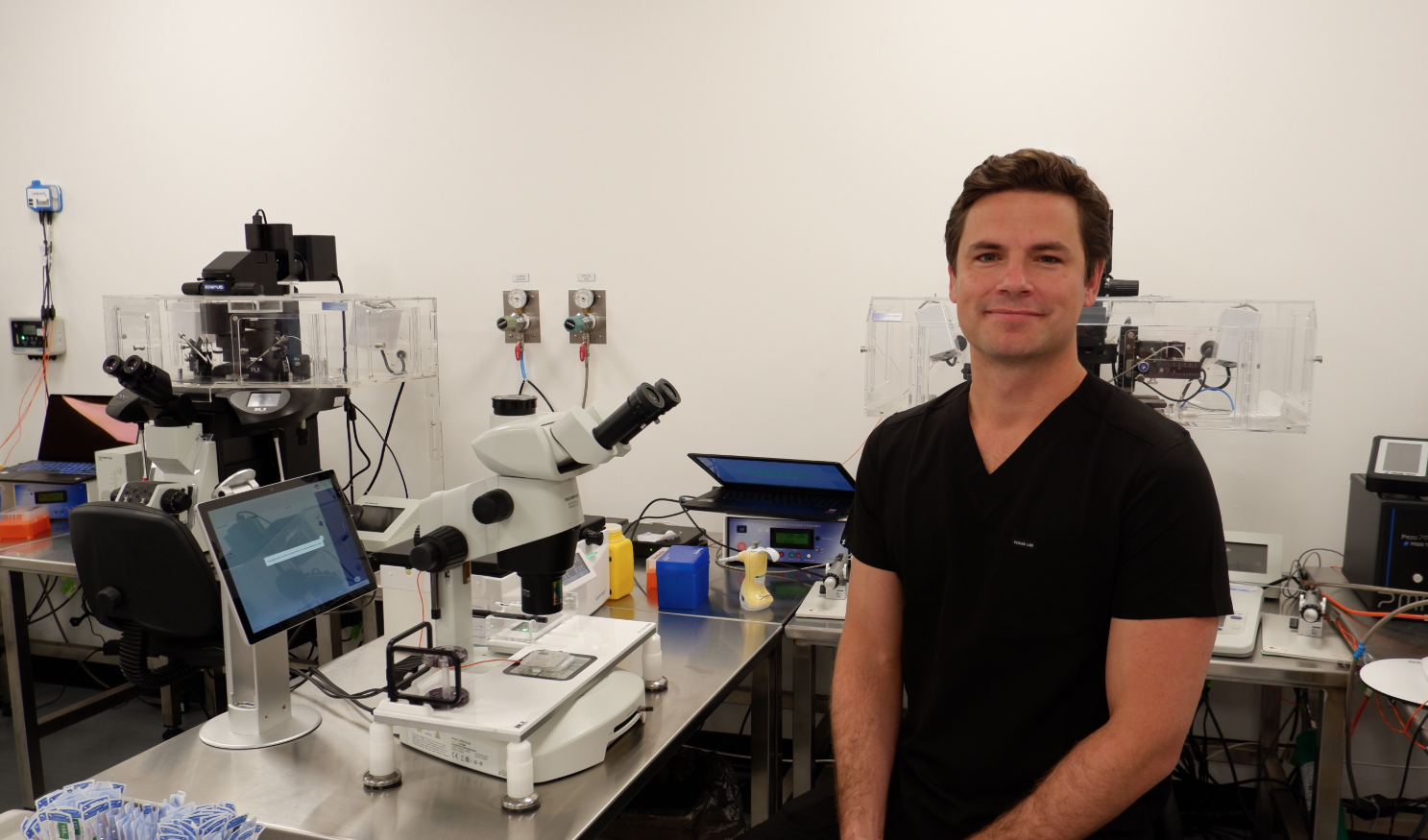
Insights from Dr Jonathan Nettle, Fertility Specialist, Obstetrician and Gynaecologist at No.1 Fertility
For many years, women diagnosed with Polycystic Ovary Syndrome (PCOS) have often been left with more questions than answers.
Despite affecting around one in eight women during their reproductive years, the name itself has frequently caused confusion. Many women diagnosed with PCOS are surprised to learn they may not actually have ovarian cysts, while others struggle to understand why a condition associated with fertility can also affect weight, insulin levels, mood, sleep, skin health and long-term metabolic health.
That confusion is one of the reasons an international group of experts has proposed a new name for the condition.
PCOS is now being referred to as Polyendocrine Metabolic Ovarian Syndrome (PMOS).
While the diagnostic criteria remain unchanged, the new name reflects a much broader understanding of the condition and highlights that it is far more than an ovarian disorder.
Why Change the Name?
The term “Polycystic Ovary Syndrome” has always been somewhat misleading.
Not all women with the condition have polycystic ovaries, and many of the most significant health impacts occur well beyond the ovaries themselves. The name has often focused attention on ultrasound findings while overlooking the hormonal, metabolic and reproductive challenges many women experience every day.
The term PMOS recognises that this is a complex condition involving multiple hormonal systems throughout the body.
Rather than focusing on the ovaries alone, it encourages clinicians and patients to consider the wider health implications, including insulin resistance, metabolic health, fertility, mental health and long-term wellbeing.
More Than a Fertility Condition
One of the most important messages surrounding PMOS is that it is not simply a fertility problem.
Women with PMOS may experience irregular menstrual cycles, ovulation difficulties and challenges conceiving, but the condition can also affect many other aspects of health.
Some women experience acne, excess hair growth or hair thinning. Others may struggle with weight gain, insulin resistance or an increased risk of developing type 2 diabetes. There can also be impacts on cardiovascular health, sleep quality and mental wellbeing, with higher rates of anxiety, depression and reduced quality of life reported in women living with the condition.
This broader understanding is one of the key reasons the medical community is moving toward the term PMOS.
How Is PMOS Diagnosed?
The diagnostic criteria themselves have not changed.
In adults, a diagnosis can be made when at least two of the following features are present after excluding other potential causes:
- Irregular or absent ovulation.
- Clinical or biochemical signs of elevated androgens (male hormones).
- Polycystic ovaries on ultrasound or elevated Anti-Müllerian Hormone (AMH) levels.
For adolescents, diagnosis requires the presence of ovulatory dysfunction and evidence of androgen excess, as ultrasound findings and AMH levels are often naturally elevated during the teenage years.
Blood tests may include testosterone levels, free androgen index calculations, DHEAS and androstenedione measurements to assess hormone activity more accurately.
Fertility and PMOS
For many women, fertility remains one of the most significant concerns associated with PMOS.
Ovulation may occur less frequently or not at all, making conception more challenging. However, it is important to remember that PMOS is one of the most treatable causes of infertility and many women go on to achieve successful pregnancies with the right support and treatment.
Treatment is highly individualised and depends on each woman’s goals and circumstances.
For women trying to conceive, treatment often begins with ovulation induction using medications such as letrozole. Lifestyle modifications and weight management may also play an important role in improving reproductive outcomes. Some women may benefit from intrauterine insemination (IUI), while others may ultimately require IVF treatment.
The most important thing is that treatment is tailored to the individual rather than applying a one-size-fits-all approach.
Looking Beyond the Label
The transition from PCOS to PMOS is more than a simple name change.
It reflects a growing understanding that this condition affects much more than the ovaries and that women deserve comprehensive care that addresses their reproductive, metabolic and emotional wellbeing.
At No.1 Fertility, we frequently care for women with PMOS who are navigating fertility concerns, considering egg freezing or planning for pregnancy. Understanding the condition early and taking a holistic approach to treatment can make a significant difference not only to fertility outcomes but also to long-term health.
Most importantly, a diagnosis of PMOS does not mean you cannot achieve your dream of building a family. With the right advice, support and treatment plan, many women with PMOS go on to conceive and have healthy pregnancies.
If you have questions about PMOS, fertility or your reproductive health, speaking with a fertility specialist can help you better understand your options and create a plan tailored to your individual circumstances.
Because understanding your fertility is the first step towards taking control of it.